Project overview
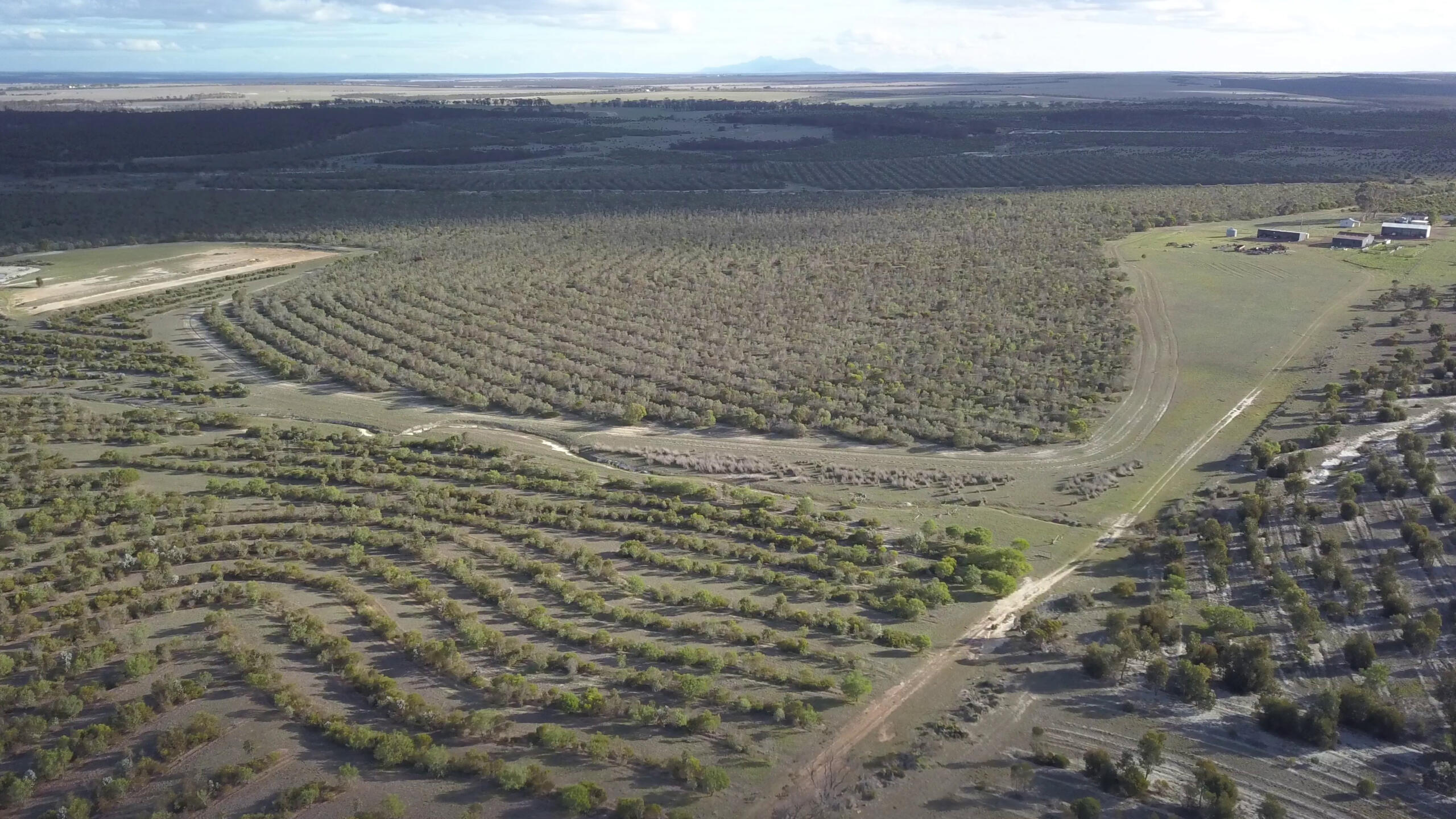
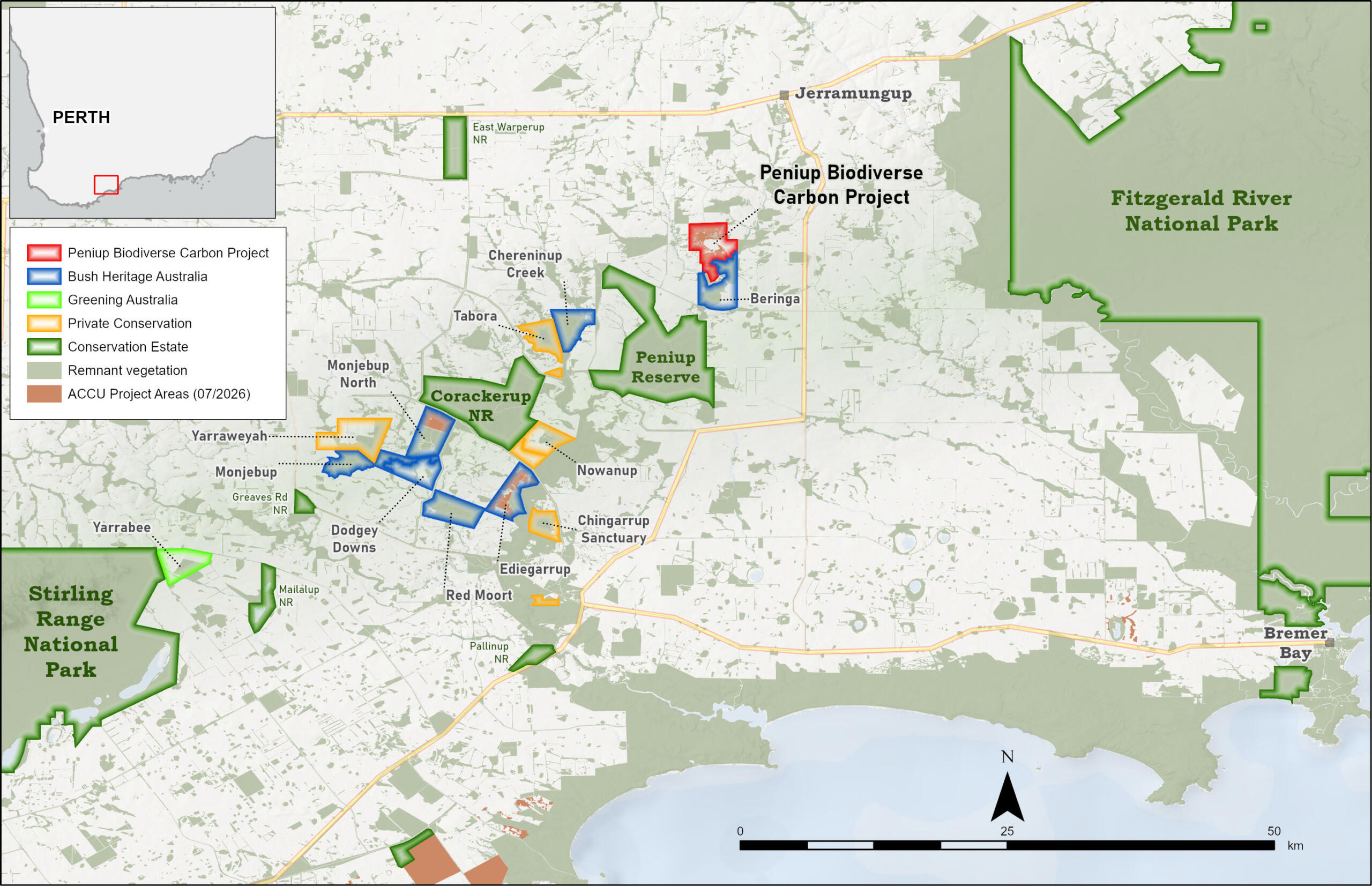
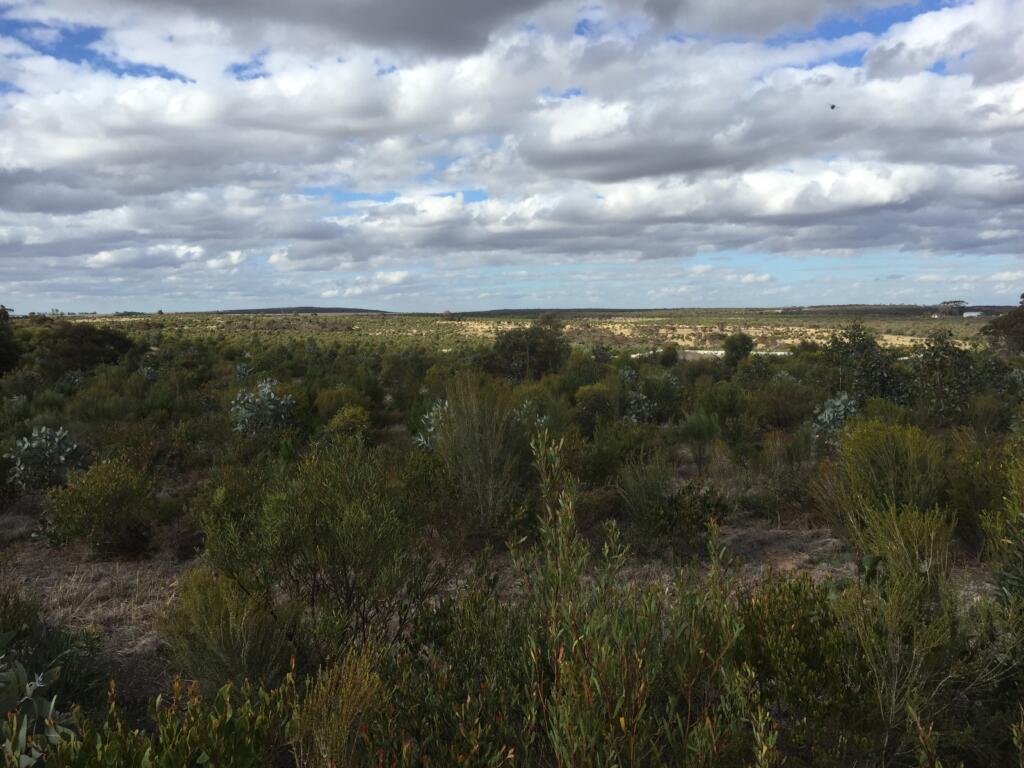
The Peniup property sits approximately 160km northeast of Albany in the Great Southern Region of Western Australia — a landscape recognised globally for its biodiversity. The Southwest Australian Floristic Region, within which Peniup sits, is one of only 36 internationally designated biodiversity hotspots on Earth.
Peniup is part of the Fitzgerald Biosphere Reserve — a UNESCO-recognised area buffering the flora and fauna-rich Fitzgerald River National Park, home to over 2,500 described vascular plant species, more than 100 of which are endemic to the biosphere.
In 2007, Greening Australia and Bush Heritage Australia jointly purchased the 2,406-hectare Peniup property. Greening Australia retained the northern 1,254-hectare lot; Bush Heritage manages the southern 1,152-hectare lot, now Beringa Reserve. The Peniup land had been long-cleared farmland prior to restoration.
Even before revegetation began, more than 242 plant species were recorded across 164.9 hectares of remnant vegetation on the property — including Tall Mallee, Mallee Heath, Open Mallee Heath, Moort Woodland and Yate Woodland systems. These eight distinct vegetation communities, mapped to the soil types across the property, became the ecological reference point for the restoration design.
PROJECT DETAILS
-
Project name Peniup biodiverse restoration
-
Traditional Country Koreng
-
Location Great Southern Region, WA
-
Restoration area 732.41 ha
-
Vegetation communities 8 reference types
-
Established 2008 – 2015
-
Method Environmental Planting (FullCAM)
-
Crediting period 2012 – 2037
-
Permanence 100 years
-
Project ID EOP101147
UN SUSTAINABLE DEVELOPMENT GOALS
SDG 13 - Climate Action
Carbon sequestration contributing to emissions reduction targets
SDG 15 - Life on Land
Habitat restoration for EPBC-listed threatened species
SDG 17 - Partnerships for the Goals
Collaboration with Bush Heritage, Gondwana Link and community partners
Carbon outcomes
The Peniup project has generated 79,091 ACCUs to date, verified on the Clean Energy Regulator’s public register, with the crediting period running through to 30 June 2037. Of these, 10,000 units were delivered to the Commonwealth under a completed Emissions Reduction Fund contract — the most rigorous procurement scrutiny available in the Australian market. The remaining credits are available to voluntary buyers. Credits are produced under the Reforestation by Environmental or Mallee Plantings (FullCAM) methodology, the only planting-based ACCU method that requires permanent, mixed-species, locally native revegetation of previously cleared land.
79,091 ACCUs issued to date (verified on the Clean Energy Regulator’s register) plus 32,539 projected to the end of the crediting period, 30 June 2037.
Guided by the vegetation that belongs here
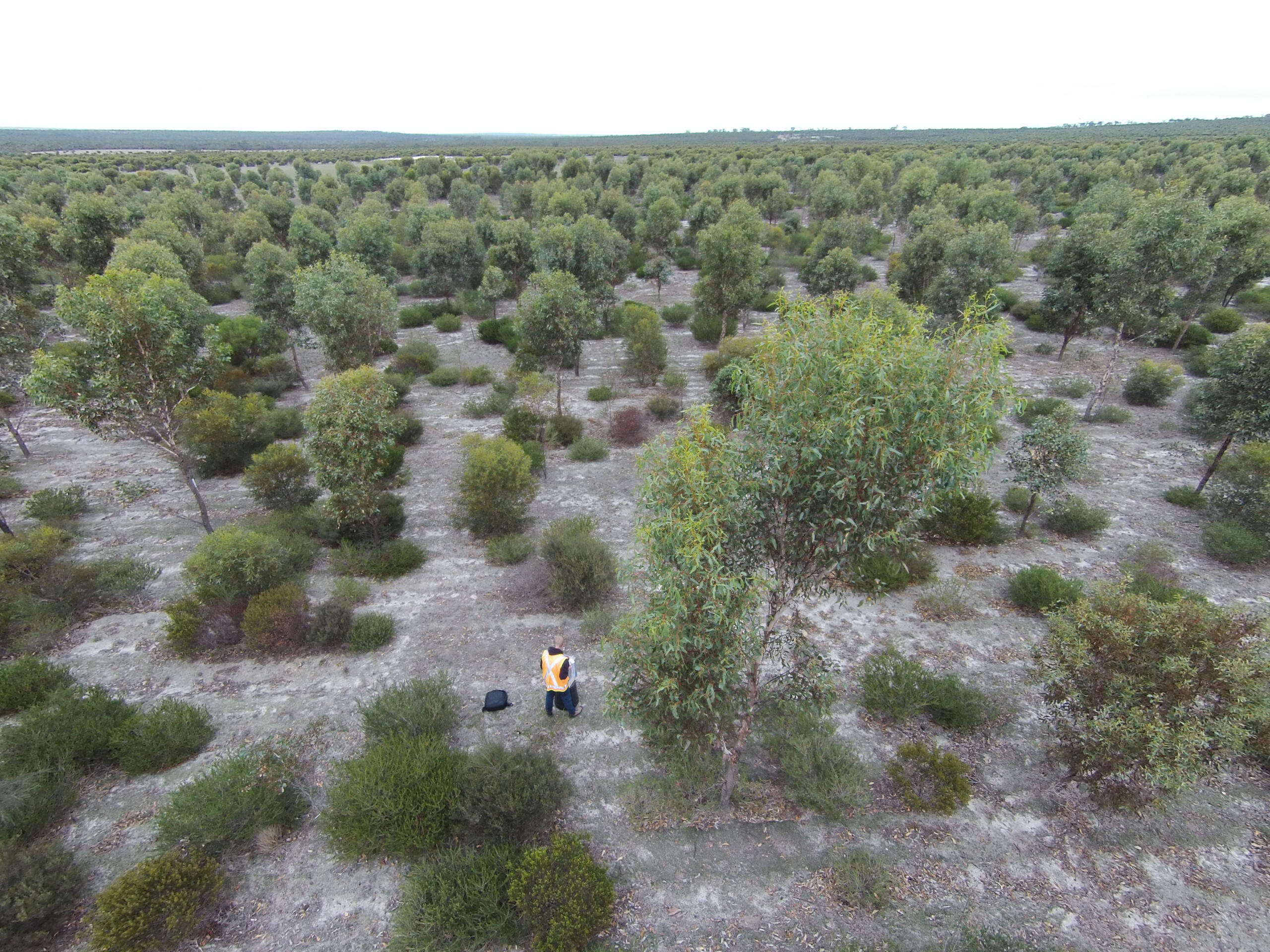
Peniup was not planted to a formula. The restoration was designed to replicate the reference communities and pre-European vegetation that once covered this landscape, matching species and planting density to the eight habitat types mapped across the property’s soils. Sometimes that means a high density of many species; sometimes fewer. The measure of quality is not how many stems go in the ground, but how closely the result rebuilds a functioning ecosystem.
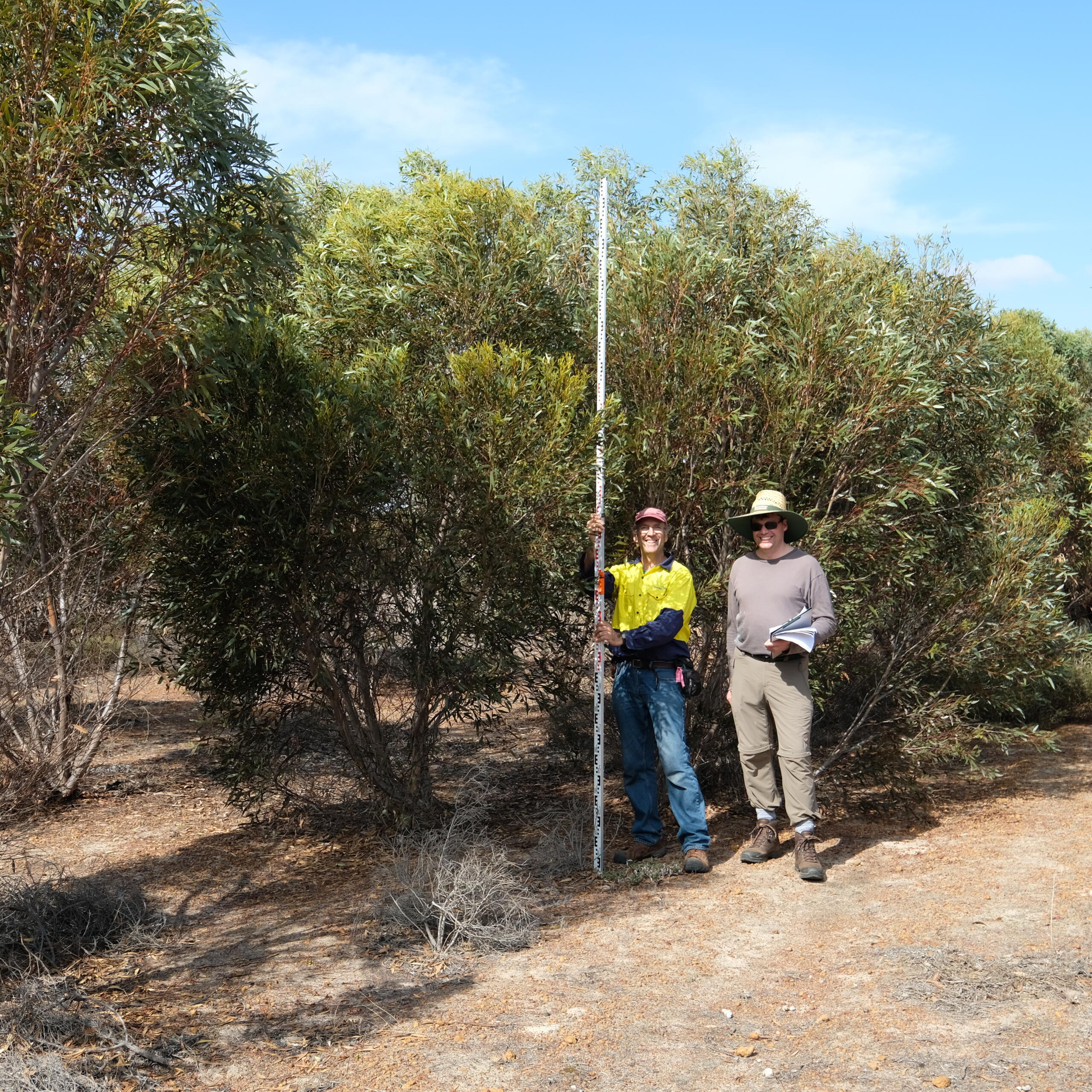
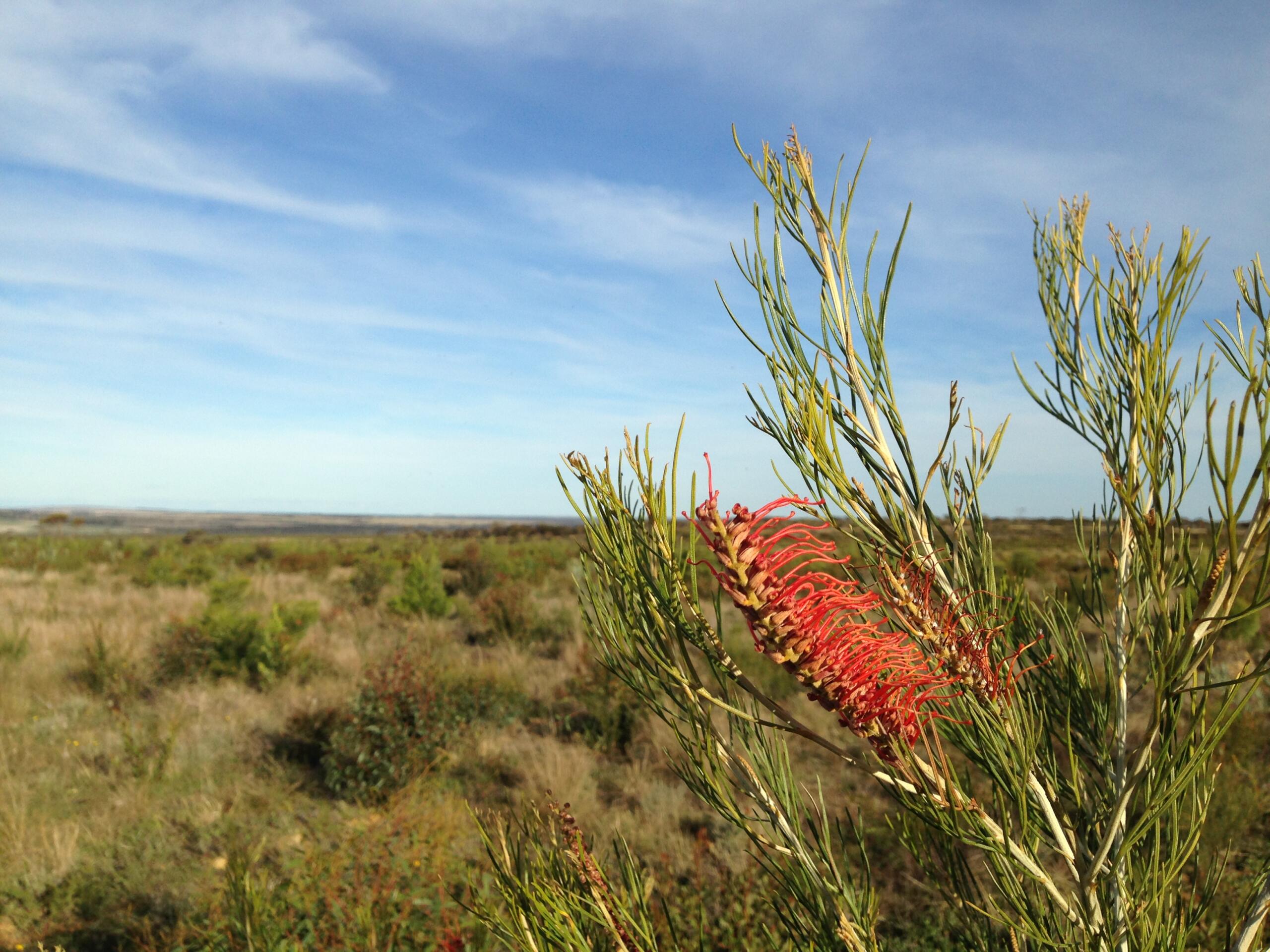
Seed was collected from 120 species found on the property, and 71 of the 110 species direct-seeded successfully established, with strong representation across every vegetation association. This is a climate-adjusted, climate-resilient approach to biodiverse restoration: species and provenances are selected not only for what grew here historically, but for what will remain viable as the climate shifts.
Why the design matters for credit quality
Establishing a diverse mid- and understorey at the right density recreates the dense, floristically varied habitat that species like Malleefowl and Carnaby’s Black Cockatoo depend on.
That same structural complexity drives long-term carbon permanence. High-integrity co-benefits and high-integrity carbon come from the same design decisions.
Biodiversity and habitat
Bird surveys at Peniup have confirmed a species diversity comparable to undisturbed native bushland — benchmarked against what would be expected in equivalent intact vegetation, not just what was planted. Species confirmed on or supported by the site include:
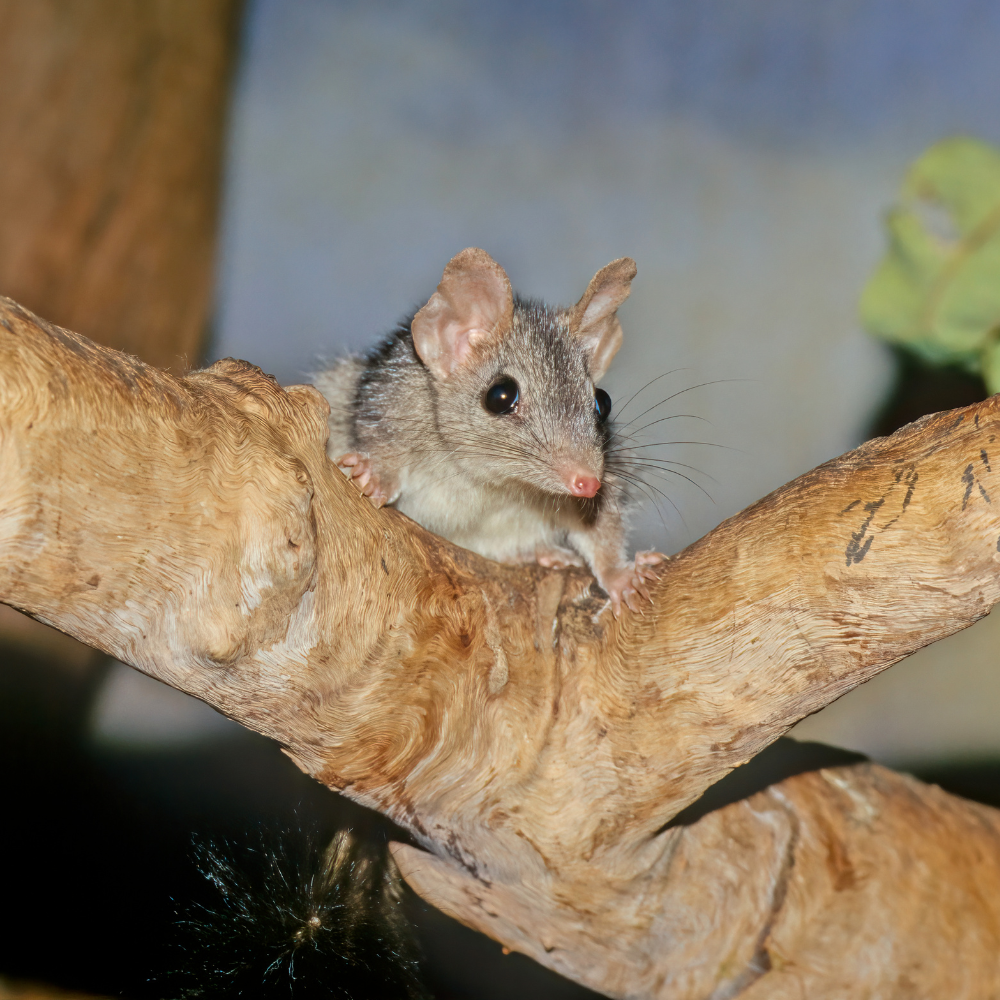
Red-tailed Phascogale
Phascogale calura
Recorded in she-oak thicket habitat on the Peniup property.
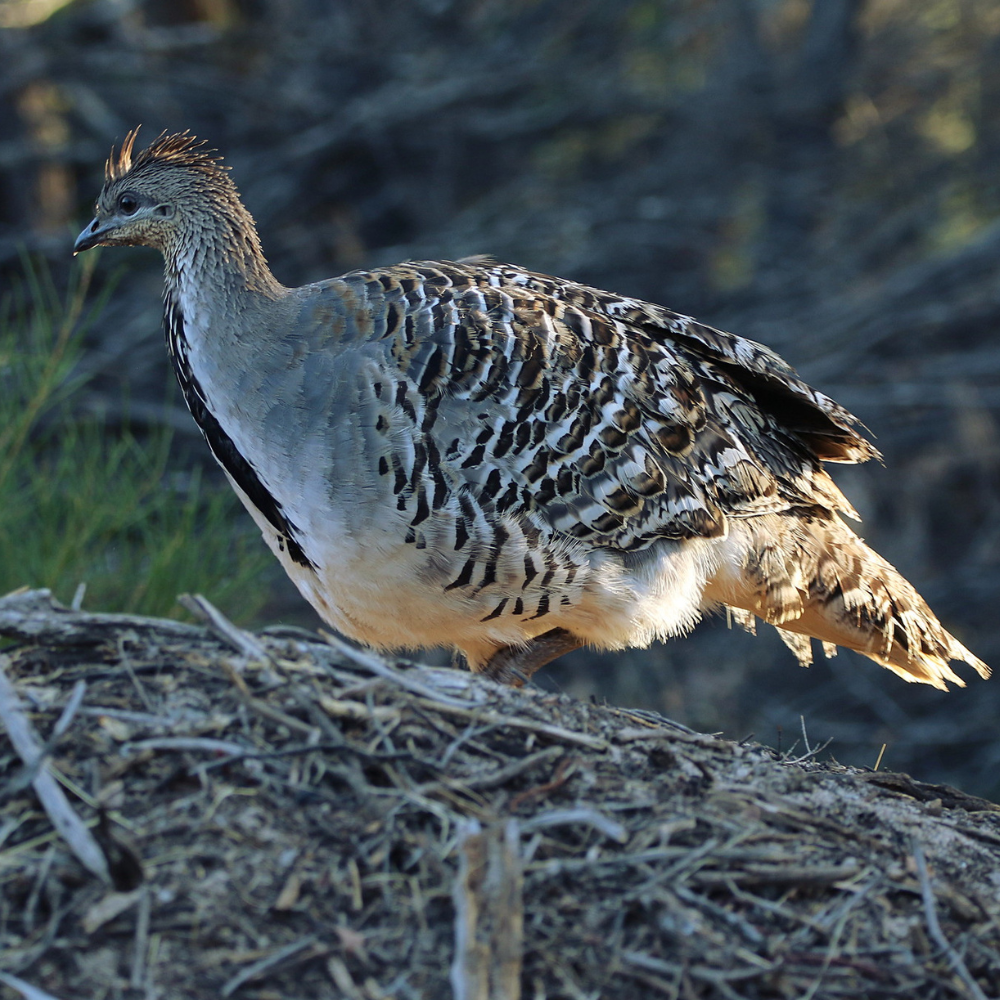
Malleefowl
Leipoa ocellata
Dependent on intact mallee scrub for nesting mounds. Habitat restored at Peniup supports population recovery.
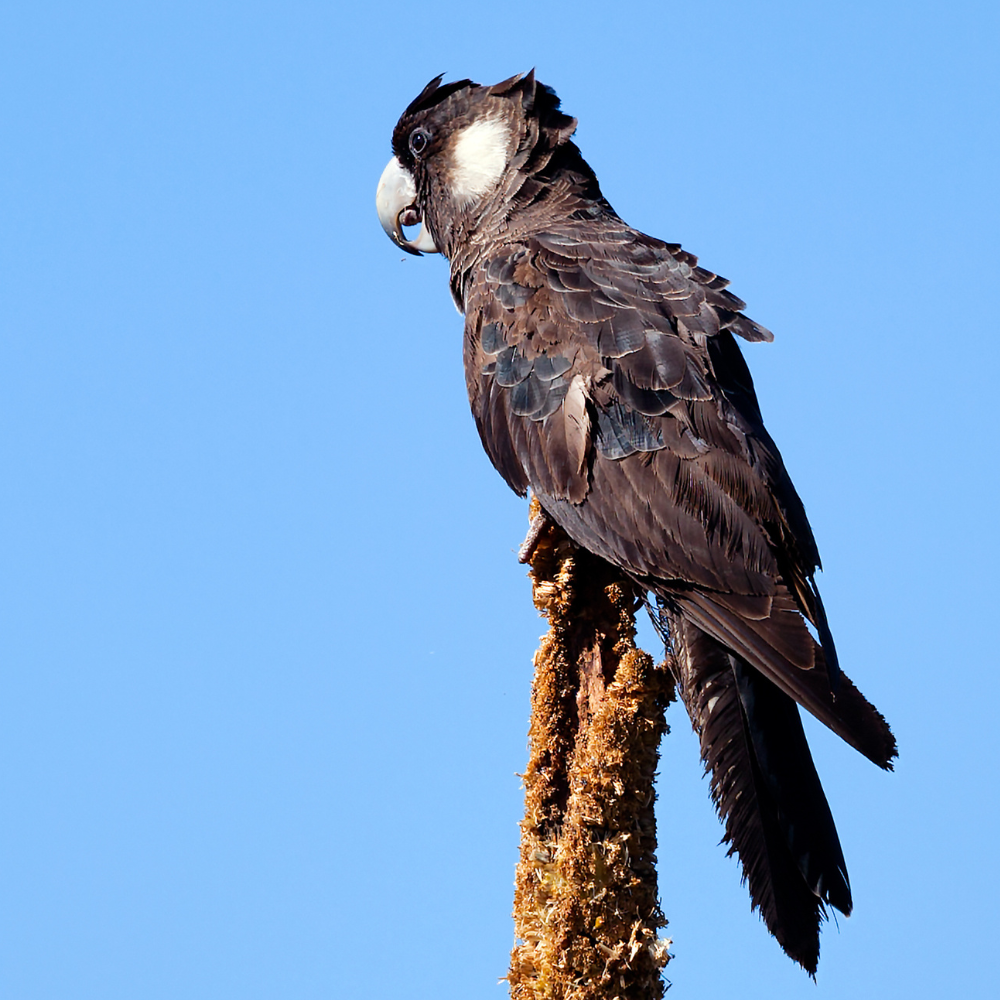
Carnaby’s Black Cockatoo
Zanda latirostris
One of WA’s most threatened species. Range recovery depends on restoration of native vegetation across its fragmented habitat.
| Mammals | ||
| Black-gloved (Brush) Wallaby Macropus irma |
Tammar Wallaby Macropus eugenii derbianus |
Western Grey Kangaroo Macropus fuliginosus |
| Honey Possum Tarsipes rostratus |
Western Pygmy-possum Cercartetus concinnus |
Common Brushtail Possum Trichosurus vulpecula vulpecula |
| Reptiles | ||
| Carpet Python Morelia spilota imbricata |
Dugite Pseudonaja affinis affinis |
Dwarf Bearded Dragon Pogona minor minor |
| Jewelled South-west Ctenotus Ctenotus gemmula |
Eleven-striped Ctenotus Ctenotus impar |
Dark Morethia Morethia obscura |
| Southern Blind Snake Ramphotyphlops australis |
||
| Frogs | ||
| Western Spotted Frog Heleioporus albopunctatus |
Western Banjo Frog Limnodynastes dorsalis |
Turtle Frog Myobatrachus gouldii |
| Birds | ||
| Western Whipbird VU Psophodes nigrogularis oberon |
Emu Dromaius novaehollandiae |
|
Mammal, reptile and frog records are drawn from a Nature Map (DPAW) database search for the combined Peniup/Beringa property. They reflect documented regional presence rather than confirmed sightings within the restored footprint.
Co-benefit: biodiverse sandalwood
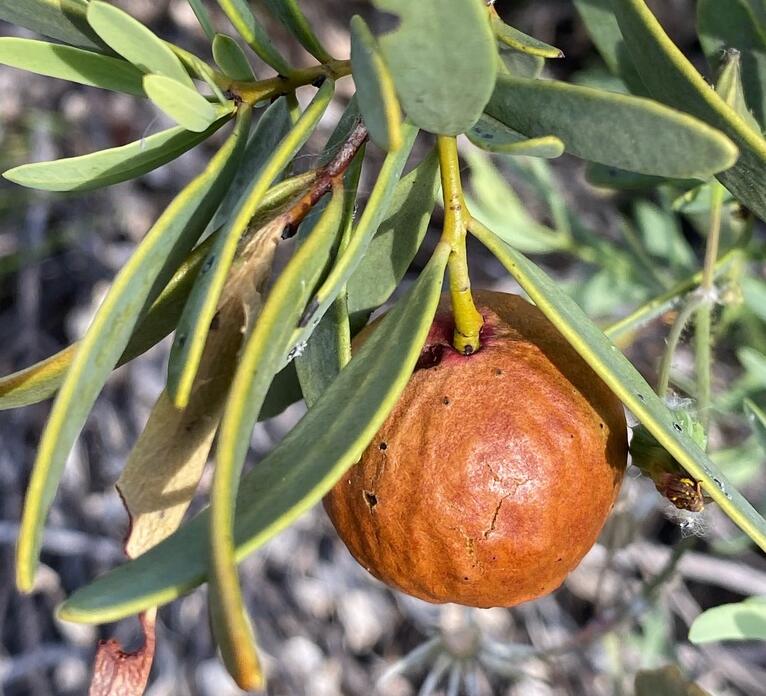
Alongside the environmental planting, 166.7 hectares of biodiverse sandalwood was established. Australian Sandalwood (Santalum spicatum) has been heavily overharvested from the wild; establishing plantations relieves that pressure. Rather than the single-species host planting used in conventional sandalwood plantations, Peniup’s plantation incorporates 56 plant taxa across 17 native genera as hosts — a substantial lift in floristic diversity that benefits soil health and provides habitat for invertebrates and native birds.
A first harvest produced 309.1 tonnes of dry-weight product, above projected value — demonstrating that restoration and sustainable production can share the same ground.
What you can report
Credits from Peniup sit within an internationally recognised biodiversity hotspot and contribute to a named, independently governed wildlife corridor. For buyers with nature-related disclosure obligations, Peniup supports verifiable claims across multiple frameworks.
Climate Active
ACCUs from this project are eligible under Australia’s Climate Active carbon neutral standard.
Kunming-Montreal GBF
Aligned to Target 2 (restore 30% of degraded ecosystems) and Target 4 (halt and reverse species decline).
TNFD
Supports nature-related financial disclosure. Gondwana Link status and three EPBC-listed species provide verifiable nature outcomes.
SBTi / BVCM
Eligible for Beyond Value Chain Mitigation under SBTi guidance. High-integrity nature-based credits for companies with science-based targets.
Project registration details
-
Project ID EOP101147
-
Project proponent Canopy Nature Based Solutions Pty Ltd
-
Method type Vegetation
-
Method Reforestation by Environmental or Mallee Plantings — FullCAM Methodology Determination 2014
-
Restoration area 732.41 ha
-
Project activities Permanent mixed-species environmental planting
-
Modelling approach FullCAM 2016
-
Registration date 27 April 2015
-
Crediting period 1 July 2012 – 30 June 2037
-
Permanence period 12 December 2017 – 11 December 2117 (100 years)
40+ years
Greening Australia restoration science behind every project
Largest EP producer
of high-integrity nature-based ACCUs in Australia
For-purpose
All profits reinvested into Greening Australia’s restoration programs